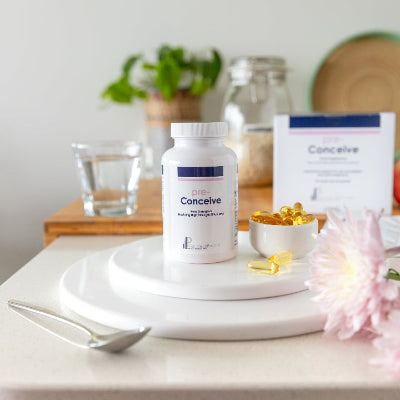

The Christmas season is a time for celebration, indulgence, and often, disruption of regular routines. For couples trying to conceive, maintaining reproductive health during Christmas can feel challenging. Between festive meals, late nights, increased alcohol, and stress, it’s easy to let healthy habits slide. However, with mindful planning and supportive strategies, it’s possible to enjoy the holidays while supporting fertility.
How the Holiday Season Can Affect Fertility
Several common holiday behaviours can impact reproductive health:
-
Dietary Changes
- High sugar, processed foods, and rich festive treats can contribute to blood sugar imbalances, inflammation, and weight fluctuations, all of which influence hormone balance and ovulation.
-
Alcohol Consumption
- Excessive alcohol can reduce fertility in both men and women. It can affect sperm quality, hormone levels, and menstrual regularity.
-
Stress
- Family gatherings, holiday planning, and end-of-year pressures can elevate cortisol, which may interfere with reproductive hormones.
-
Sleep Disruption
- Late nights and irregular sleep patterns can negatively affect hormone regulation, ovulation, and sperm production.
Strategies to Support Fertility During the Holidays
Despite the festive challenges, small, intentional steps can make a big difference for reproductive health.
1. Mindful Eating
- Prioritise nutrient-rich foods: Include colourful vegetables, fruits, lean proteins, nuts, seeds, and whole grains.
- Balance indulgence: Enjoy festive treats in moderation rather than skipping meals to “save calories,” which can affect blood sugar and hormone balance.
- Fertility-friendly nutrients: Vitamins and minerals that support fertility include folate, zinc, selenium, magnesium, vitamin D, and omega-3 fatty acids.
2. Manage Alcohol Intake
- Limit alcohol, especially if actively trying to conceive. Even moderate intake can influence hormone balance, ovulation, and sperm quality.
- Consider alternating alcoholic drinks with non-alcoholic versions, water or herbal teas to stay hydrated and reduce total intake.
3. Stress Reduction
- Incorporate stress-relief practices such as meditation, yoga, deep breathing, or brief daily walks.
- Focus on connection rather than perfection, prioritise joyful interactions over holiday “to-do” stress.
4. Maintain Sleep Routine
- Aim for 7–9 hours of consistent sleep, even if celebrations stretch into the evening.
- Keep a bedtime routine when possible, such as reading or gentle stretching, to support hormone regulation.
5. Keep Moving
- Moderate physical activity, like walking after meals or family outings, supports circulation, hormone balance, and stress reduction.
- Avoid over-exercising, which can temporarily disrupt ovulation in women and sperm production in men.
6. Supplement Wisely
- Holiday schedules may disrupt regular meals, so supplements can help maintain nutrient intake. Key fertility-supporting nutrients include:
- Folic Acid / Methylated Folate: Supports egg and embryo health.
- Vitamin D3: Supports hormone regulation and uterine health.
- Omega-3 Fatty Acids: Reduce inflammation and support egg and sperm quality.
- Zinc & Selenium: Important for sperm health and hormone production.
- Antioxidants (Vitamin C, CoQ10): Protect eggs and sperm from oxidative stress.
Practical Tips for a Fertility-Friendly Christmas
- Plan meals ahead: Include balanced options alongside indulgent treats.
- Stay hydrated: Water helps hormone transport, digestion, and energy.
- Enjoy treats mindfully: Savor festive foods without guilt, focusing on quality over quantity.
- Keep active: Short walks, family games, or light exercise help balance indulgence.
- Prioritise self-care: A calm mind and relaxed body are essential for fertility.
Conclusion
The Christmas period doesn’t have to derail fertility goals. With mindful eating, moderate alcohol, stress management, quality sleep, gentle exercise, and nutrient support, couples can enjoy the festive season while still prioritising reproductive health.
Supporting fertility during the holidays is all about balance, celebrating without compromising the body’s ability to conceive. By implementing small, intentional strategies, you can keep your hormonal cycles steady, protect egg and sperm quality, and step into the new year with confidence in your fertility journey.