
At a Glance
What is sperm count?
Sperm count refers to how many sperm are present in semen. It’s one of the most important markers of male fertility.
What counts as a “normal” sperm count?
According to WHO guidelines, a normal count is 15 million sperm per millilitre or more, or 39 million total sperm per ejaculate.
Why does sperm count drop?
Common contributors include oxidative stress, nutrient deficiencies, hormonal imbalances, heat exposure, smoking, alcohol, stress, certain medications, and medical conditions such as varicocele.
Can sperm count improve?
Often, yes. Because sperm are produced continuously, positive changes in nutrition and lifestyle can raise count within 2–3 months (one full sperm cycle).
What Is Sperm Count? (Simple Explanation)
Sperm count is a measure of how many sperm are present in a semen sample. It’s usually reported in two ways:
-
Sperm Concentration
The number of sperm per millilitre of semen. -
Total Sperm Count
The total number of sperm in the entire ejaculate (a more complete measure of fertility potential).
A healthy count matters because even though only one sperm fertilises the egg, millions are needed to ensure enough reach the fallopian tube and survive the journey.
What Causes a Low Sperm Count?
Sperm production is sensitive to hormones, temperature, nutrition, and oxidative stress. The most common causes include:
1. Oxidative Stress (A Major Driver)
High levels of reactive oxygen species (ROS) damage developing sperm cells and impair the testes’ ability to produce healthy sperm. Oxidative stress is strongly linked with low count, poor morphology, and DNA fragmentation.
2. Hormonal Imbalances
Low testosterone, high oestrogen, thyroid dysfunction, and issues with FSH/LH signalling can all reduce sperm production.
3. Nutrient Deficiencies
Sperm development relies on adequate:
- Zinc
- Selenium
- Folate
- B12
- Omega-3 fatty acids
- L-carnitine
- Vitamin D
Low levels of these nutrients can reduce sperm output and impair testicular function.
4. Heat Exposure
The testes require a temperature slightly below body temperature.
Common heat sources that reduce count:
- Saunas & hot tubs
- Tight underwear & clothing
- Long cycling sessions
- Heat from laptops on the lap
- Prolonged fevers
5. Lifestyle Factors
- Smoking or vaping
- Excess alcohol
- Obesity
- Chronic psychological stress
- Poor sleep
- Exposure to endocrine disruptors (plastics, pesticides, BPA)
- Recreational drugs
- Poor diet
6. Medical Conditions
- Varicocele
- Infections (including STIs)
- Genetic conditions
- Testicular trauma
- Certain medications (including testosterone therapy, anabolic steroids, some antidepressants)
Nutrients That Support Sperm Count
Research highlights several nutrients that directly support sperm production (spermatogenesis):
1. Zinc
Essential for testosterone production, DNA synthesis, and healthy sperm development. Even mild deficiency can lower sperm count.
2. Selenium
Protects developing sperm and supports structural integrity. Adequate selenium is associated with improved count and testicular function.
3. Folate & Vitamin B12
Work together to support DNA synthesis in rapidly dividing sperm cells. Low levels are linked to lower sperm count and abnormalities.
4. L-Carnitine
Helps fuel sperm production and development by supporting energy metabolism in the testes.
5. CoQ10
An antioxidant and mitochondrial nutrient shown to raise sperm count and improve overall semen quality.
6. Omega-3 Fatty Acids (EPA/DHA)
Support hormone balance, reduce inflammation, and improve testicular cell membrane function.
7. Vitamin D
Low levels are associated with reduced sperm count, impaired testosterone production, and lower fertility rates.
pre-Conceive & Sperm Count (draft – editable)
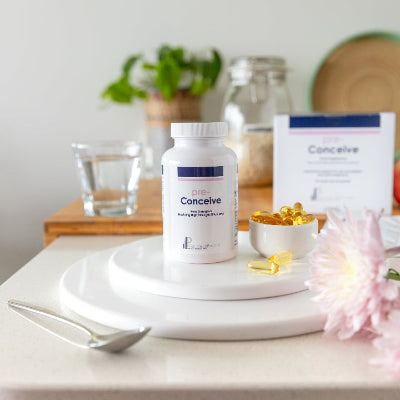
pre-Conceive includes the essential nutrients shown to support healthy sperm production, including zinc, selenium, CoQ10, L-carnitine, B-vitamins, vitamin D, and omega-3 fatty acids - all at clinically meaningful doses.
This formulation targets the main drivers of low sperm count: oxidative stress, nutrient depletion, hormonal imbalance, and impaired cellular energy production. Consistent use over one full sperm cycle (8–12 weeks) helps support improved count and overall fertility potential.
Dietary Strategies to Improve Sperm Count
Eat More of These:
- Oily fish (salmon, sardines, mackerel) – omega-3s
- Nuts & seeds (especially Brazil nuts, walnuts, pumpkin seeds)
- Eggs – rich in B12, choline, and vitamin D
- Leafy greens – folate
- Berries & colourful fruits/veg – antioxidants
- Legumes & whole grains – B vitamins
- Lean protein – supports hormone production
Reduce These:
- Ultra-processed foods
- Excess sugar
- Trans fats
- High alcohol intake
- Excess caffeine
- Smoking / vaping
- Avoid heat exposure
- Exercise regularly (moderate intensity)
- Maintain a healthy BMI
- Reduce stress (chronic cortisol suppresses reproductive hormones)
- Prioritise good sleep
- Consider antioxidant supplementation
- Avoid anabolic steroids and testosterone replacement therapy (these shut down sperm production)
How Long Does It Take to See Improvements?
Sperm take 74–90 days to develop, so improvements in count typically appear within 8 to12 weeks of lifestyle and nutritional changes.
Sperm count, like motility, is one of the parameters most responsive to better nutrition, antioxidant support, and targeted lifestyle shifts. With the right inputs, meaningful improvement is possible for many men.