
At a Glance
What is sperm motility?
Sperm motility refers to how well sperm move. Good movement is essential for sperm to reach and fertilise the egg.
What counts as “good” motility?
According to WHO guidelines, 40% total motility or 32% progressive motility is considered normal.
Why does motility drop?
Common causes include oxidative stress (oxidative stress is an imbalance between substances that can damage cells and the body's ability to neutralise them with antioxidants), nutrient deficiencies, high heat exposure, smoking, alcohol, stress, and certain medical conditions.
Can motility improve?
Yes. Motility responds well to diet, lifestyle, and targeted nutrients, often within 2–3 months (one full sperm cycle).
What Is Sperm Motility? (Simple Explanation)
Sperm motility describes how well sperm swim. The two main types are:
- Progressive Motility: Sperm move forward in a straight line or large circle, the only movement that can result in fertilisation.
- Non-Progressive Motility: Sperm move, but not in a purposeful direction, they wiggle but don’t travel.
And then there are Immotile Sperm, sperm that do not move at all. Healthy sperm motility is key for allowing sperm to travel through cervical mucus, into the uterus, toward the fallopian tube, and ultimately reach the egg.
What Causes Poor Motility?
Motility is highly sensitive to internal and external factors:
- Oxidative Stress (The Major Cause): Harmful substances known as, reactive oxygen species, damage the sperm membrane and tail, reducing the ability to swim.
- Nutrient Deficiencies: Low levels of zinc, selenium, carnitine, CoQ10, B vitamins, and omega-3 fats impair sperm development, affecting their movement and energy production.
- Heat Exposure: Hot tubs, saunas, tight clothing, long cycling, and even laptops on laps raise testicular temperature and reduce motility.
- Lifestyle Factors:
• Smoking
• Excess alcohol
• Poor sleep
• Chronic stress
• High BMI
• Exposure to endocrine disruptors (plastics, pesticides) - Medical Influences:
• Varicocele
• Thyroid issues
• Infections
• Hormonal imbalances
• Genetic factors
Nutrients That Support Sperm Motility
- Acetyl-L-Carnitine: Crucial for transporting fatty acids into the mitochondria (the sperm’s energy engine). Strong evidence for improving motility and overall sperm performance.
- CoQ10: A powerful antioxidant and mitochondrial booster. Improves motility by protecting the sperm tail and increasing energy output.
- Zinc: Essential for sperm formation, testosterone balance, and antioxidant defence.
- Selenium: Supports sperm structure and protects the tail (flagellum) from oxidative damage.
- Omega-3 Fatty Acids (EPA/DHA): Improve membrane fluidity, which allows sperm to move more efficiently.
- Vitamin C & Vitamin E: Key antioxidants that protect the delicate sperm membrane from oxidative stress.
- Folate & B12: Support DNA synthesis and reduce oxidative stress in reproductive tissues.
pre-Conceive & Sperm Motility
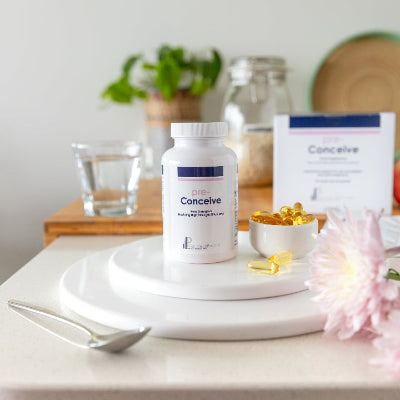
pre-Conceive contains all of the key nutrients shown to support sperm motility, including L-Carnitine, CoQ10, Zinc, Selenium, Omega-3s, Vitamins C and E, and essential B-vitamins, all provided at clinically meaningful, therapeutic dosages. This comprehensive formulation is designed to target oxidative stress, energy production, and membrane integrity, helping to optimise motility over a full sperm cycle.
Dietary Strategies to Improve Motility
Eat More of These:
• Oily fish (salmon, sardines, mackerel) – rich in EPA/DHA
• Nuts & seeds (especially walnuts, Brazil nuts, pumpkin seeds)
• Eggs – rich in choline, B12, and antioxidants
• Leafy greens – folate-rich
• Colourful fruits/veg – antioxidants (berries, peppers, citrus, spinach)
• Legumes & wholegrains – for B vitamins
• Lean protein – supports hormone balance
Reduce These:
• Ultra-processed foods
• Excess sugar (impacts insulin & hormones)
• Trans fats (linked to poor sperm quality)
• Excess caffeine and alcohol
• Smoking / vaping
Lifestyle Habits That Help:
• Avoid heat exposure (saunas, hot tubs)
• Exercise regularly
• Maintain healthy body weight
• Reduce stress (cortisol impacts hormones)
• Prioritise sleep
• Start antioxidant supplementation where appropriate
How Long Does It Take to See Improvements?
A full sperm cycle is approximately 74 to 90 days, which is why most studies, and most real-world results, show meaningful improvements in 8–12 weeks. Motility is one of the sperm parameters most responsive to nutrition, which makes it an excellent focus for male fertility optimisation.